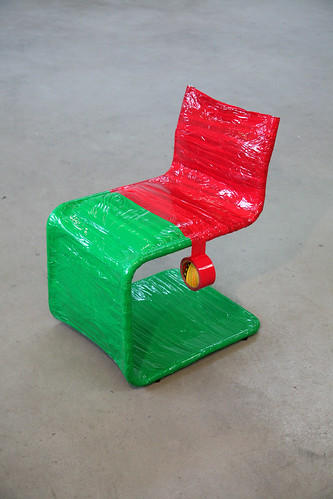
With the promise that with the New Year will come back to take care of my "parlor pink" with my little angel Alex, I take the opportunity of making post number 100 for all of you readers, friends and curious way, my dearest
 Merry Christmas!

 With the promise that with the New Year will come back to take care of my "parlor pink" with my little angel Alex, I take the opportunity of making post number 100 for all of you readers, friends and curious way, my dearest


"I corpi come elemento architettonico"
[...] For the first time in human history, the number of living has reached the record number of six and a half billion people. Fifty years ago we were just over half and in half a century we will be abundantly more than ten billion. The presence of humans interrupt the prospect, create unique flow of scenes, not only anthropological, but the body. Six and a half billion people, in fact, constitute a kind of plankton horizontal, wrapping, which invades the space and creates, by extension and density, a specific visual experience.
A. Branzi

Una discoteca è la gente che la frequenta o l’architettura della stessa? Cos’è una discoteca? Le fabbriche si suono svuotate e milioni di addetti vengono liberati nell’ambiente e lo costituiscono come una superficie multiforme e cangiante, nella quale agiscono e reagiscono tramite: fisionomie, qualità dell’abbigliamento, gesti relazionali, riti urbani, flussi comunicativi e migliaia di altre variabili che compongono l’uomo in se, in relazione con gli altri e con l’ambiente stesso. Chi progetta i luoghi per il suddetto “sciame umano”, to establish that the sole and definitive design move is now supplanted by a infinite diversity of vibration design, which he produces and all this space in order to signal their newfound individuality, its creative energy, kinetics, genetics.
The city space is filled with messages, smells, objects, products, and especially people who take away the primacy of the urban space to the architecture. Man invades the space, creating a real revolution due simply to the informal anarchist presence. E 'therefore need to rethink the quality di un ambiente secondo nuovi criteri meno fisici ma più volatili, relazionali?

Individuo libero o Comunità sicura? Fai la tua scelta, sbaglierai in ogni caso. La modernità liquida ha dato i natali ad un nuovo simpatico pendolo antropologico . Ad una nuova linea sfumata. Gli antipodi have freedom and security.
 "Roberta was an old lady of 24 years with the addiction to gambling. Heads and tails were his delights. He drank a lot and was always too much or too little hydrated. He played for the next 24 years without a single day jump ever. His favorite game after game of Russian roulette? Clearly heads or tails. That evening the bar was the usual juice, grapefruit juice and good old 100 lira coin. First pitch: Head. Under fire: the Cross. The third shot stopped in the balance on the board. BOOM! "
Come in ogni grande dualismo che si rispetti non esiste soluzione (è giusto cercarla?). I due lati della stessa medaglia libertà o sicurezza si contendono il primato? Una facciata esclude automaticamente l’altra? L’analisi fino ad ora ha delineato come “il pendolo” stia decisamente oscillando dal lato della libertà, privando così l’umanità della sicurezza che dopo la seconda guerra mondiale ha tanto ostinatamente ricercato.
Tale fatto ha dato luogo a reazioni le più differenti. Il comunitarismo risponde negandosi l’eccesso of freedom, is deploying across all the side of safety. L ' individualism claimed the current condition of trying to ride the wave right. Outside the door is nihilism.
awareness, the ability to read the situation to pull himself out of the game so you have the right vision of the phenomena. Nihilism does not mean refusing to fight, and fight according to new rules, are not in force, but the most apt to the scenario in the making. Studying new routes .

L’ Uomo – La condizione antropologica
Nella Bibbia vi sono due termini che designano l'u omo:
* (Heb.) אדם (Adam) (gr.) ἀ νθρω π ος (anthropos), (lat.) homo . Refers to humanity in general, the human being as an individual and as a species, as it differs from the animals, but also has in common with them. אדם (Adam) has the same root אדמה ('a dâmâh), the earth, in allusion to the color of the clay אדם ('Adom) be red. בּן אדם (ben adam), son of man, shall designate an individual as a child of the human species, humanity.
* (Heb.) אישׁ (îysh) (gr.) ἀ νήρ (aner), (lat.) vir, 's individual man, in its strength and its value. This concept is also expressed when it comes to warriors, eroi, dal termine גּבּר (gibbôr), il forte; mentre il poetico אנשׁ ('ĕ nash) soprattutto nell'espressione di Daniele בר אנשׁ (bar nâsha'), il "figlio dell'uomo".

Credo si possa tranquillamente dare una definizione di Uomo. Secondo Friedrich Nietzsche “l’Uomo è l’animale non ancora stabilizzato”. In questo saggio, in accordo con Arnold Gehlen e i maggiori pensatori occidentali, intendiamo l’Uomo come quel animale con una innata carenza biologica istintuale. Mi spiego.
L’Uomo, a differenza dell’a nimale nasce con numerose carenze fisiche ed istintuali. Tali carenze sono determinabili dalla sua scarsa specificità. È per questo che non nasciamo con uno scopo ben preciso e neanche con gli “strumenti” per raggiungerlo. Tutto ciò ci consente però di sviluppare quella (per paradosso) “specifica genericità” necessaria a spingerci all’Azione generatrice di Tecniche. Tecnica con la quale ci è permesso “svelare” l’Ambiente, trasformando
Per esempio un granchio ha in dotazione le chele con le quali schiacciare le noci. Mentre l’Uomo non ha in dotazione, nel suo corpo, uno “strumento”che come le chele che gli permetterebbero di aprire le noci. Però, proprio grazie alla genericità della sua mano e al suo deficit istintuale ha, per mezzo della Azione, svelato una serie di procedure tecniche in grado di fargli progettare lo schiaccianoci.
In definitiva
Partenza , pronti , Via.
It is now established, we move in an ever-changing scenario in which it becomes increasingly important to have the right tools to move fast. Scroll continuously changing structure. Be prepared to environmental conditions that rarely repeat themselves and change constantly. The sociologist Zigmunt Bauman in Liquid Modernity book traces a long analysis of the processes of transformation of the concept of modernity at the beginning of the twenty-first century. Bauman liquid indicates the idea of \u200b\u200ba phase of matter in which it does not have a proper form but that of its container. The fluids do not store their long-form and are always prone to change, therefore, tend not to set the space and time do not bind ma a seguire il flusso temporale delle trasformazioni.

I liquidi cercano sempre la forma che gli consente meno “stress” ed al contrario dei corpi solidi, che annullano il tempo, per i liquidi diviene l’elemento più importante. La straordinaria intuizione di Bauman consiste nel considerare la «fluidità» o la «liquidità» come metafore volte a comprendere la natura dell’attuale e per molti aspetti nuova fase nella storia della modernità. Nella fase liquida le particelle sono legate l’un l’altra tramite legami deboli e facilmente intercambiabili mentre la fase solida è caratterizzata by strong bonds and fixed. This condition, metaphorically symbolizes a process of liquefaction of the "classics" such terms as "system" or "company" to make room for the 'politics of life', the 'macro' level to the 'micro'. It follows a modern individualized, privatized, and honors as the charges fall on the shoulders of the individual.
The twenty-first century is therefore characterized by changes from below and therefore not very visible but at the same time more profound. L 'man with no amount Andrea Branzi is a figure that is not aware of the existence of slow phenomena and progressive, who are quietly changing the anthropological around. The great ideologies are dead, crushed in intellectual individual, weak and diffuse but can change things more deeply because it undermines the roots of which, by definition, are difficult to see.
would be foolish to deny the profound changes that have introduced and will introduce those conditions in human existence. It would be foolish to continue to behave according to patterns of thought associated with a solid foundation. Do not have a foundation or change them forever is to live in uncertainty. It becomes possible never wrong and therefore never be sure of being right. Nothing stands out if a move is better than another, among the many possible, before or since. The price to be paid or the benefit that ensues is the dissolution of the danger of making mistakes. Infinity perplexity, the total uncertainty, uncertainty insatiable.

"Getting rid of identity, the ego aside"
[...] In sociology, ethno-anthropological sciences in and other social sciences the concept of identity is concerned, first, how in which the 'individual consider themselves as members of certain social groups : nation, social class , level cultural, ethnic , kind , profession, and so on, and, on the other, the way the rules of those groups to allow each individual to think, move, interact and be placed with respect to itself, to others, to group that pertains to external groups and understood, perceived and classified as otherness. Wikipedia
theories of identity in the past have arisen in the context of Aristotelian logic of identity for which A = A and it is not possible that A is different from A . Today we can write that anthropology has destroyed all of reality to the sound of Aristotelian logic of identity.
If identity means literally "to be always identical to itself" appears to us very clear about how the contemporary anthropological require tiling of adjectives such as: multiple , ambiguous, hybrid , exploded or blurred. The search for identity Bauman second is the relentless fight to halt or slow the flow of fluid to solidify, to give form to the formless . Identity becomes a habit , a thin outer layer and form serves to mask the internal fluid and changeable. With the interior ready to suck up the habit and then create always new, always awkward, always fragile. We can then compare the concept of identity that we seek to live a more heavily.
We do shopping at the supermarket (the identity) by choosing "clothes" according to the time (randomly?) For the beauty (make-up brand, earrings, gym, etc..) But also for the its convenience (ability to adapt perfectly to our self-identity ). This research, metaphorically, is perpetuating continuous changes of identity with the now abituale e positiva consapevolezza di non riuscire a trovare quella “giusta” (esiste?) se non per il preciso istante in cui la si concepisce. Il motivo di tale “benedetta tragedia” è che l’Ambiente (l’intorno, le alterità), visto nella indispensabile prospettiva temporale, è altrettanto mutevole. Siamo come liquidi dentro a liquidi. L’identità è quel sottile strato trasparente tra “liquido-Uomo” e “liquido-Ambiente” che cambia di continuo, ma che proprio grazie al suo contenuto/ Autoidentità sempre diverso diventa in qualche modo ancora riconoscibile.
Nel Web 2.0 we can find obvious applications of the theories so far stated. Of real environments (worlds / spaces) such as MySpace or Second Life let you (actually not too loose) to make endless changes of Avatar / virtual identities (avatars: at the Hindu religion, an avatar is the recruitment of a physical body by God, or one of its aspects. This word comes from Sanskrit and means "down" in the Hindu religious tradition is the embodiment of a deliberate Deva, or the Lord himself, in a physical body to order to perform certain tasks. This term is used mainly to define the various incarnations of Vishnu, of which can be annoverare K ṛṣṇ a e Rama.A differenza del Cristianesimo e dello Śivaismo, i Vaishnava affermano che Dio si incarni ogni qualvolta avviene un declino dell'etica e della giustizia, unitamente all'insorgere delle forze demoniache che operano in senso opposto al Dharma. Il Signore K ṛṣṇ a, Avatar di Vi ṣṇ u, è famoso per aver pronunciato queste parole: « Per la protezione dei giusti, per la distruzione dei malvagi e per ristabilire i princìpi della Giustizia Divina, Io mi incarno from age to age) orticante thus freeing themselves from the dictatorship of identity in favor of a new definition of the term, no longer tied to the tedious separation of body and soul, first made by Plato, then by Christianity and then by Descartes, but to a new and conscious awareness of one's body engaged in a constant activities production / consumption of sense ("identity").
identity of which will never be satisfied because the content components / self-identity (in metaphor comfort apparel) and those of the container / Identity (metaphor for the beauty in Apparel) can not be fixed or solidified momentarily only when viewed, for a moment, from the outside. Identity is a straitjacket that still persist in searching. Somehow it hides / protects, there is discharge into the sea from otherness. Ocean towards which we have an incurable desire to absorb and regurgitate all feeding / us so the process, and so on.
The "nihilist" ( nihilism is the process by which capital concepts of metaphysics: being, truth, reality, etc. ... is nullified e si rivelano infondati ) Rem Koolhaas proclama nel suo Junkspace :
[…] L’identità è una trappola in cui un numero sempre maggiore di topi deve dividersi l’esca originaria e che, osservata da vicino, forse è vuota da secoli. Più è forte l’identità, più è vincolante, più recalcitra di fronte alla espansione, alla contraddizione. L’identità diventa un faro, fisso, inflessibile: può cambiare la sua posizione o il segnale che emette solo a prezzo di destabilizzare la navigazione.
Probabilmente a breve si lascerà perdere qualsiasi discussione o domanda posta sull’identità considerandola semplicemente priva di senso. Il concetto stesso di identità si sta inesorabilmente svuotando, assume accezioni negative. Ma oggi (6 Novembre 2007) rimane comunque innegabile la propensione dell’uomo alla ricerca delle “facili identità”. Tali identità vengono vendute tramite l’identificazione in un Brand aziendale.
L’Uomo di Paul Smith piuttosto che
In this context it is correct to speak of Super Uomo di Nietzsche .
[…] L'uomo nichilista è caduto nell'angoscia per aver scoperto che i fini assoluti e le realtà trascendenti non esistono. Ma l'uomo ha dovuto illudersi per dare un senso all'esistenza, in quanto ha avuto paura della verità, non essendo stato capace di accettare l'idea che " la vita non ha alcun senso ". Se il mondo avesse un senso e se fosse costruito secondo criteri di razionalità, di giustizia e di bellezza, l'uomo non avrebbe bisogno di auto-illudersi per sopravvivere, costruendo metafisiche, religioni, morali. L'umanità occidentale Unfortunately, Christianity has gone through and feel a sense of emptiness, following the "death of God", namely the lack of any metaphysical certainty (total loss of the sense of life), following the discovery that the world is an irrational chaos. Not arise until the Superman, that a man can bear the idea that the universe does not have an absolute sense, even after the discovery of the death of God, humanity will continue to look for absolute values replacing the old God with idolatrous substitutes such as, for example, the state, science, etc ... The lack, however, an absolute metaphysical sense of life and the universe does remain the man in passive nihilism, despair or nihilism. However, you can get out of nihilism overcome this vision and recognizing that man himself is the source of all values \u200b\u200band virtues of the will to power (active nihilism). The man, rising above the chaos of life, its meaning and imposes its will. He is the superman, that is, the man who has understood that it is he who gives life meaning. Through the three metamorphoses of the spirit, spoken of in the first speech of the text Thus Spake Zarathustra, Nietzsche shows how the motto "You have to" go first transformed in the 'I want', and finally into a sacred "Say yes, expressed by the figure of joyful child. Wikipedia
Who seems to become reality thanks to the slow emptying of meaning in life / everything. Today it is the Super Man (Man) to take note of its power in making sense of totally senseless, because nobody will do more for him. Today "will to power" is real application.
The "I died. The ego is dead. The man died. Philosophy is dead. Everything dies, even if in the end it means born.


L’onere più gravoso e irritante che i consumatori sono chiamati a sostenere è la necessità di stabilire delle priorità: il dover abbandonare alcune opzioni e lasciarle inesplorate. L’infelicità del consumatore nasce da un eccesso, non da una penuria, di scelte. “Ho utilizzato i mezzi a mia disposizione nel migliore dei modi?” è the question that haunts the consumer .
The rules of the genie went to fuck off, like other desires ! A race from goal to goal driven by self-sustaining engine of desire. The archetype of this particular race is the activity of shopping. The endless search for new and better with which man is part of the consumer market making. Today's consumption is no longer focused on need but on a desire, a separate volatile and frivolous, evasive and capricious. A desire that only want other desires, like a dog chasing its tail, like a goal that has the aim of other targets. But today (January 13, 2007), citing Bauman citing Ferguson : where the facility was based on comparison of desire, vanity, envy and the need for self approved, no substance immediacy of whimsy . The acquisition is random, unexpected and spontaneous. It has fantastic quality and to express at the same time satisfy a whim , and how every whim, it is childish and insincere. Today (January 13, 2007), we need a tool even more powerful and versatile, stimulating the desire to maintain consumer demand at an appropriate level to cut off supply. The caprice is the solution. The caprice is the solution?

I then the consumer has changed the market with these tools and himself by putting an end to his apprenticeship to become infinitely more demanding , shrewd, selective, independent, competent, pragmatic, proactive, unfaithful to the brand. No longer driven by the needs sublimated his condizione da semplice comparsa ad attore protagonista . E’ nato un nuovo consumatore che ha cambiato pelle in cerca di esperienze più che prodotti, di emozioni e sensazioni più che valori d'uso. Generando inediti modelli di consumo, più simili al patchwork che alla linearità/prevedibilità del passato, di cui è necessario apprendere le regole. Nella postmodernità il consumo assume una crucialità simile a quella riconosciuta alla produzione nella fase della modernità. Il rischio, per chi produce (e quindi anche chi progetta) e vende, è non cogliere le straordinarie opportunità che la nuova centralità del consumo offre. Sembra una scherzo ma è tutto vero: l'azienda è il target del consumatore.
Una Citazione: Scrive FrËdËric Beigbeder nel suo libro che titola: Euro 13,89 (Feltrinelli): "Sono un pubblicitario: ebbene si, inquino l'universo. Io sono quello che vi vende tutta quella merda. Quello che vi fa sognare cose che non avrete mai. Io vi drogo di novità, e il vantaggio della novità è che non resta mai nuova. C'è semrpe una novità più nuova che fa invecchiare la precedente. Farvi sbavare è la mia missione. Nel mio mestiere nessuno desidera la vostra felicità, perchè la gente felice non consuma".
Le nuove strategie di marketing, nell'era del web 2.0, devono partire dalla comprensione delle conversazioni.
Si è svolto a Milano lo IAB Forum 2007, il più importante evento per il mercato dei media interattivi. Il filo conduttore delle giornate è stato ben sintetizzato da Layla Pavone, presidente IAB Italia, nel titolo della sua presentazione: “Sesto potere ovvero quando l'azienda è il target del consumatore”.
Gli sviluppi tecnologici e l'evoluzione della comunicazione in rete hanno messo il consumatore al centro creando una situazione di “customer empowerment” che porta a riscrivere le regole del marketing.
David Weinberger: come Internet ha cambiato il marketing
Creatore, insieme a Chris Locke e a Doc Searls, del Cluetrain Manifesto la sua relazione è partita proprio dalla prima e famosissima tesi Markets are conversation, per descrivere come queste conversazioni debbano essere conosciute, osservate e rispettate. “Onorare la conversazione” è la traduzione letterale del messaggio che ha lanciato Weiberger.
I vecchi assunti di marketing vanno cambiati e, addirittura, rovesciati. Il controllo assoluto non può più essere l'obiettivo delle aziende e della comunicazione aziendale. E' finita, infatti, l'era del messaggio unidirezionale e, di conseguenza, è ormai superata la visione del marketing come guerra. Concetti consolidati quali colpire il target (bersaglio), penetrazione del mercato, campagne marketing, traevano dichiaratamente spunto da una terminologia bellica che oggi turns out to be very inadequate to the changed conditions.
era of Web 2.0 is no longer a clear boundary between those who produce and those affected by the content, so the traditional concept of authority is twisted, everything is indefinite ("Everything is miscellaneous" as the title of the new Weinberger's book).
The suggestions contained in the report seem deceptively simple but are, today, still miles away from the dominant corporate media culture.
rather than impede this flow of information; potentially harmful because their uncontrolled, businesses should support him, turned into a great opportunity.
Let, therefore, free to both consumers and the information generated from these by allowing them to take power: this can become a great resource on the condition of having an attitude clear, transparent and honest.
The transition from concept to brand awareness and brand engagement, necessarily passes through the direct experience of the brand and its reputation, which Today is il vero valore per un'azienda.
Stiamo, pertanto, assistendo ad una rivoluzione, come la definisce Weinberger in un'intervista alla Reuters, in cui si sbilancia ulteriormente parla della necessità di imparare a comunicare in modo diverso: “A mio giudizio, le aziende faranno la cosa giusta ammettendo il fatto basilare della loro umanità. E cioè che non sono perfette, sono molto umane, hanno motivi di interesse e devono affrontare il consumatori su questa base”.
Le aziende che sapranno cogliere questa sfida velocemente approcciandosi in modo nuovo ai consumatori sopravvivranno e si svilupperanno, pronte ad affrontare i nuovi scenari del web 3.0 o 4.0 di cui già si comincia a discutere.

 "Il cambiamento è stato staccato dall'idea di miglioramento. Il progresso non c'è più; la cultura barcolla di lato senza sosta, come un granchio fatto di Lsd..."
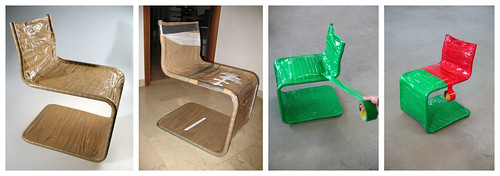
  fotosopra In a project born from the Junkspace during
  Installazione temporanea made during the